Discovering the Conveniences of Preschool Programs: A Comprehensive Overview to Very Early Education
Kindergarten programs play an essential function fit a child's very early academic experience. They supply a structured environment where young students can develop essential social skills, psychological strength, and cognitive capacities. These fundamental abilities are necessary as youngsters relocate right into more formal education. Recognizing just how these programs contribute to a child's development discloses much concerning their long-lasting educational trajectory. What certain advantages do these early experiences supply, and exactly how do they affect a youngster's future?
The Significance of Social Abilities Growth
While lots of facets of early education emphasis on academic abilities, the growth of social skills in kindergarten programs is similarly important. Social abilities incorporate the ability to communicate successfully, collaborate with peers, and navigate social circumstances, every one of which are essential for a kid's total growth. In preschool, youngsters find out to share, take turns, and deal with disputes, promoting a feeling of neighborhood and belonging. These experiences make it possible for young students to create relationships and create empathy, preparing for favorable partnerships in the future.
Teachers play a pivotal duty in helping with social skill advancement with structured activities and directed communications. With group jobs and playtime, children exercise crucial abilities such as listening, negotiating, and understanding diverse viewpoints. Furthermore, these interactions help children build self-confidence and self-confidence, important parts for their individual and scholastic journeys. On the whole, supporting social skills in kindergarten enriches youngsters's experiences and prepares them for the complexities of social life past college.
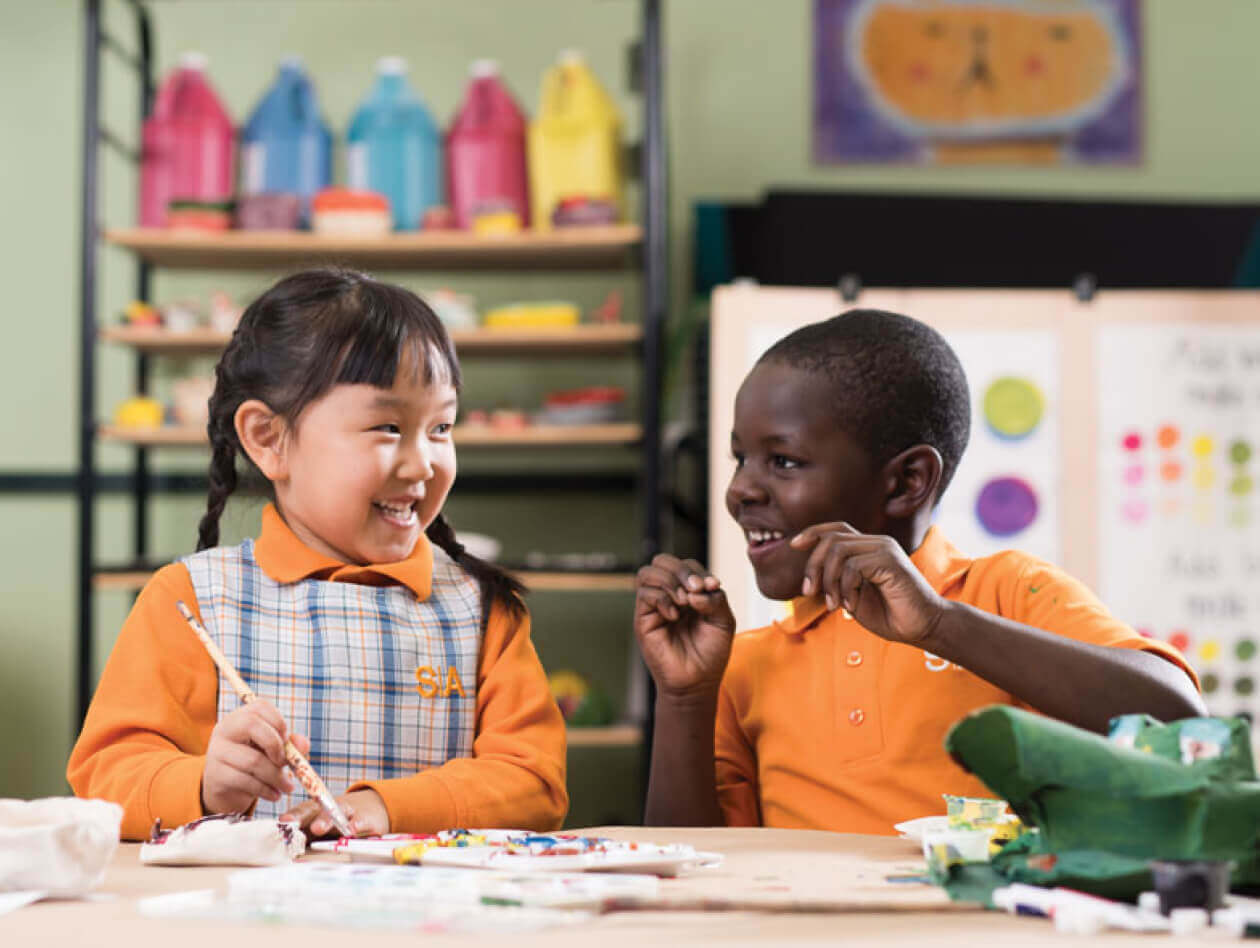
Building Emotional Durability in Youthful Learners
Structure emotional durability in young students is fundamental to their general wellness and success in numerous aspects of life. Preschool programs give a structured environment where children can discover to browse their feelings effectively. Through directed activities and interactions, teachers aid children identify and express their feelings, promoting a feeling of self-awareness.
These programs commonly consist of methods for coping with difficulties, such as analytic tasks and role-playing situations that prepare kids for real-life situations. By motivating cooperation and compassion, young students establish strong social connections, which are vital for emotional support.
Educators play an essential function in modeling resilience by showing exactly how to take care of tension and adversity. As youngsters observe these habits, they internalize valuable coping systems, equipping them to deal with future psychological troubles with better simplicity. Generally, nurturing psychological durability in early education lays a solid structure for lifelong psychological health and wellness and versatility.
Enhancing Cognitive Abilities With Structured Knowing
As youngsters participate in organized learning experiences within preschool programs, their cognitive abilities are substantially boosted. These programs present age-appropriate activities that boost critical reasoning and problem-solving abilities. Hands-on activities such as problems and structure blocks promote spatial understanding and logical thinking.
Furthermore, interactive narration and team discussions foster language growth, broadening vocabulary and understanding. Via organized routines, kids learn to comply with directions, boosting their exec working abilities, which are essential for future academic success.
Social interactions within these programs likewise play a significant function, as kids discover to team up and connect successfully, more increasing cognitive growth.
Furthermore, including play-based knowing enables kids to check out ideas in an enjoyable and interesting means, enhancing their understanding and retention of expertise. On the whole, structured knowing in preschool lays a solid foundation for cognitive growth, preparing children for the obstacles of higher education and learning.
Cultivating a Love for Lifelong Knowing

Furthermore, favorable communications with peers and teachers contribute to an atmosphere where understanding is deemed fulfilling and enjoyable. This helpful environment helps impart innate inspiration and enhances the concept that education and learning is a continual trip rather than a location.
As youngsters uncover their interests and strengths, they are more probable to go after understanding beyond the classroom, laying the structure for a long-lasting dedication to understanding. Ultimately, preschool programs play a vital duty in forming passionate students who welcome instructional chances throughout their lives.
Planning For Future Academic Success
While fundamental abilities are important for early learners, preschool programs additionally play a vital role in preparing children for future academic success. These programs present vital concepts his comment is here such as proficiency and numeracy, ensuring that youngsters establish the cognitive abilities essential for more advanced understanding. By participating in organized tasks, pupils improve essential reasoning and analytical skills, laying a strong groundwork for their academic journey.
Moreover, preschool fosters social-emotional growth, enabling youngsters to navigate collaborative jobs and build relationships with peers. This collective environment infuses a sense of belonging and enhances confidence, which is necessary for scholastic determination.
In addition, exposure to varied learning experiences in kindergarten cultivates flexibility, gearing up youngsters to tackle different subjects and difficulties in succeeding grades (Kindergarten). Ultimately, by offering a versatile very early education and learning, kindergarten programs ensure that Read Full Report children are not just all set for first grade however likewise planned for ongoing academic achievement throughout their academic professions
Regularly Asked Inquiries
What Age Is Ideal for Starting Kindergarten Programs?
The ideal age for starting kindergarten programs is commonly in between 5 and six years old. This age enables kids to create crucial social, psychological, and cognitive skills, preparing them for future scholastic success and personal growth.
How Do I Choose the Right Preschool Program for My Kid?
To select the appropriate preschool program, one should take into consideration variables such as curriculum, teacher qualifications, course size, place, and the school's philosophy. Observing the setting and celebration responses from various other moms and dads can additionally be beneficial.
Are There Any State Demands for Preschool Enrollment?
Many states have specific needs for preschool registration, including age restrictions and documentation such as copyright or proof of residency (Grade School). Parents ought to consult their neighborhood education and learning authority to recognize the specific criteria in their location
What Should Parents Expect Throughout a Regular Kindergarten Day?
Throughout a normal kindergarten day, parents can anticipate structured tasks including circle time, innovative play, fundamental academic lessons, treat breaks, and social interaction, all created to cultivate understanding and advancement in a caring atmosphere.
Just How Can Parents Support Learning in your home in Addition to Preschool?
Moms and dads can sustain discovering in the house by participating in normal reading, incorporating instructional games, developing a regular routine, encouraging inquisitiveness through inquiries, and creating a favorable, caring atmosphere that fosters exploration and creative thinking.
Kindergarten programs play an essential function in forming a kid's very early instructional experience. Kindergarten programs give a structured atmosphere where youngsters can learn to navigate their emotions efficiently. As youngsters involve in organized knowing experiences within kindergarten programs, their cognitive capacities are considerably improved. check this By engaging children in diverse activities-- such as storytelling, hands-on experiments, and joint tasks-- preschool programs grow inquisitiveness and exploration. While foundational skills are essential for early learners, preschool programs additionally play an essential function in preparing children for future academic success.